lunes, 3 de octubre de 2016

 COBERTURA INDIVIDUAL O CORPORATIVA, CUAL ES MAS VENTAJOSA


En más de una ocasión se ha planteado esta incógnita de que es más ventajoso;  ¿asegurarse individualmente o en forma corporativa?  Aquí algunas consideraciones, desde el concepto y punto de vista de garantia de coberturas, mas no de costos 

Resultado de imagen para SEGURO INDIVIDUAL

1.- La aseguración corporativa, no es otra cosa que la suma de varios riesgos en una sola razón social o interés asegurable,  descrito generalmente en un solo contrato de seguros o póliza.  La suscripción de este tipo de riesgos se hace en base a la evaluación de cada uno de los riesgos expuestos y potenciales que pueda tener la cosa asegurada.


2.-La Individual, es producto de la evaluación (también) del riesgo que se somete a consideración de la aseguradora.

Resultado de imagen para SEGURO INDIVIDUAL
3.- ¿Existe alguna ventaja en tomar un seguro de forma corporativa, o grupal?, es otra de las incógnitas planteadas, la respuesta es un rotundo no.  Esto se explica por sí mismo, pues si el negocio corporativo tuviera alguna ventaja sobre el individual, se estaría desvirtuando la calidad de cobertura de este, cuando en realidad es exactamente igual.  Las garantías que exhiben las pólizas individuales, son las mismas que pueden exhibir las coberturas corporativas o grupales.


4.-¿Cuál es la garantía de una póliza de seguro individual y una corporativa?  Son exactamente iguales, es más, son las mismas.  La mejor garantía que puede tener un asegurado,  es adquirir un contrato de seguros bien estructurado acorde sus necesidades de cobertura, con una empresa aseguradora que tenga el respaldo profesional y financiero adecuado.  No existe un contrato de seguros más eficiente para una corporación que para una persona, para citar un ejemplo.  El negocio de los seguros es posible gracias a la comercialización en principio de los seguros individuales, que son el sostén que hace posible que la industria del seguro permanezca, y todo seguro corporativo tiene que suscribirse en base a la individualidad de los riesgos que posea.  ED.   Hasta el próximo post.

domingo, 25 de septiembre de 2016

SEGUROS CONDOR NOS INVITO A SU TERCER COLOQUIO.

Dr. Eduardo Peña Hurtado Gerente General de Seguros Condor

Nos dimos cita a las 8.00 a.m. en los salones del Hotel Sherathon de Guayaquil, donde se celebró el encuentro. Los temas preparados fueron, el primero relacionado al terremoto de abril con una charla sobre el significado, eficiencia y ciertas medidas que se recomiendan para las construcciones sismo resistentes, la segunda sobre la nueva forma de suscribir los Riesgos Tecnicos, esto es Todo Riesgo para Contratistas, Seguros de Montaje y Pruebas en Caliente, Rotura de Maquinaria, y Lucro Cesante a consecuencia de las mismas. 


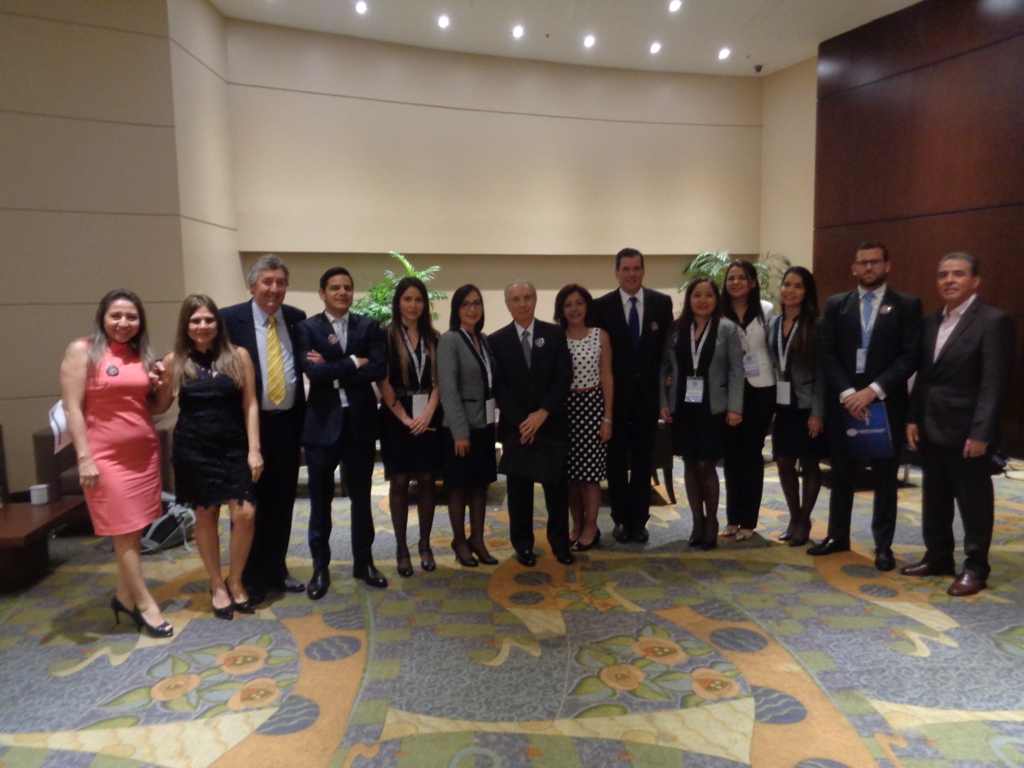
Principales Ejecutivos y Staff Administrativo de Seguros Condor
Las conferencias estubieron a cargo del Ing. Walter Mera Ortiz, Vice rector de Investigación y Post Grado de la Universidad Católica de Guayaquil, y del Ing.Óscar Rodriguez, del Staff de la Compañia Suiza de Reaseguros.


Asistentes


Mas allá de cualquier mención nos merece la mejor de las impresiones la Conferencia ofrecida por el Ing, Mera, quien en su desarrollo nos ilustró de mejor manera, para llevar a cabo una suscripción de riesgos de propiedades mucho mas tecnica, y apegada sobre todo, a nuestro entorno e historia sismica, sin duda un gran aporte.

Sin quedarse atrás, el Ing. Oscar Rodriguez, nos ilustró como ha evolucionado el mercado reasegurador en el mundo, respecto a los ramos tecnicos, que elementos se toman en cuenta para suscribir un riesgo, y el tipo de investigacion que se debe emprender para suscribirlo de una manera tecnica y sobre todo eficiente, desde el punto de vista de costos.
Dr. Eduardo Peña Triviño Asesor Permanente de Seguros Condor.
Sin que medie ninguna duda, eventos de esta naturaleza contribuyen al desarrollo de la actividad aseguradora,  y sobre todo al fortalecimiento de la actividad,  Hacemos los mejores votos por la repeticion de este tipo de conferencias, coloquios, charlas magistrales, son un acierto, y son de gran necesidad, Nuestro agradecimiento a los principales de Seguros Condor,  Dr. Eduardo Peña Hurtado, Eco. Oton Chavez, y a ese gran Maestro que es el Dr. Eduardo Peña Triviño,  Gracias.  ED. Hasta el proximo post.

Crédito fotografías:  Skandia Sanchez/ Seguros Condor


martes, 13 de septiembre de 2016

La Ley de incentivos tributarios y los seguros de salud:   Lo que no se ha dicho.

La recientemente aprobada y (poco) debatida Ley de Incentivos Tributarios, en la parte pertinente a los seguros de salud no es clara y carece de aplicación, al menos en su interpretación inmediata.   Dentro de lo que no se ha dicho tenemos, en primer término, como se reglamentará la atención de las enfermedades preexistentes, si estas tendrán  un deducible aplicable en dólares,  o si regirá un periodo de carencia, y por cuanto será.  No hay nada de esto.


Otro tema en observación, que el IESS lo da como resuelto y con velocidad; es como se hará la transferencia del afiliado a la aseguradora privada.  Por ejemplo, si un trabajador padece una enfermedad,  [que tiene dos perfiles, catastrófica y preexistente, Cáncer],  cómo lo asimila la aseguradora o el operador de medicina prepaga, y bajo que parámetros?  Lo debe atender inmediatamente, o debe regir el periodo de carencia?  Lo idóneo para el afiliado es que exista continuidad de cobertura.  El IESS debe conocer que los deducibles, sean estos en dinero o en tiempo, operan siempre en las primeras atenciones, pues una vez que se ha honrado el deducible,  la atención siempre estará dada acorde lo estipulado en los contratos de seguros, sean pólizas o de medicina prepaga.   ¿Seguirán existiendo los copagos por; atención ambulatoria, especializada, imágenes, laboratorio y cirugías?, cual es el proceso a seguir? 


Un punto importante es,  ¿quién pagará el contrato de prestación de servicios o la póliza de seguros? La incógnita se plantea visto que, no se ha aprobado una tabla tarifaria que contenga el siguiente perfil técnico, rango de edades y sus correspondientes tasas de riesgo  o costos por persona, aclaración de deducibles (existen escalas de deducibles), tablas de copagos para las compañías de medicina prepaga, establecimientos y médicos que conforman la red se servicios médicos, entre los más importantes, reglamento y procedimiento de transferencia de afiliados, límites de las coberturas, que son elementales tenerlas.


Quizá lo más importante, (que no se ha tocado), es la visión del esquema técnico que poseen los seguros de salud, estos deberían tomarse en consideración.  Me voy a explicar, las personas que toman  un seguro o plan de medicina prepago, son personas que se pertenecen a un estrato socio-económico medio, medio alto y alto.  Los costos de sus beneficios en estas compañías, no son económicos, son  altos;  las sumas indemnizables en los planes de medicina prepaga, son limitados y oscilan entre los 5.000 dólares hasta los 200.000 en los mejores casos, y se circunscriben a un año calendario contrato, nada más.  En las compañías de seguros estos valores pueden llegar a los millones de dólares.  Serán muy pocos los empresarios que adoptarán la política de asegurar a todo su personal en uno de estas dos alternativas, pues tendrán que lidiar con costos agregados al de afiliación de sus empleados, que son sustantivamente más elevados y consecuentemente incidirán en sus resultados financieros.   El servicio médico para el afiliado vía pago de deducible por parte del IESS será un vía crucis, pues debe existir previamente una autorización de ellos para la derivación, en consecuencia será, por decir lo menos, demorada.

Y finalmente una consideración lógica, el negocio de los seguros de salud, esta cimentado en la ocurrencia fortuita, no en la cierta.   El impacto de atención a personas con afectaciones de enfermedades catastróficas va a ser determinante en la operación del sistema de aseguración en general, sus costos van a subir, se convertirán en impagables, y con tendencia clara a liquidarse, pues nadie puede sostener una empresa a perdidas.  La atención social de la salud, es una cosa totalmente distinta a la privada, los márgenes de aportación en la primera son universales y obligatorios, en el segundo, no lo son.

Se debe analizar más a fondo el tema con los distintos actores involucrados en este caso, haciendo talleres que examinen y simulen el comportamiento y posible respuesta del mercado en el tiempo y pronosticar resultados que sean reflejo de la realidad que viven las aseguradoras y empresas de medicina prepaga en el país.

jueves, 4 de agosto de 2016

SOLO SEGUROS : Nueva oficina de Lloyd´s

SOLO SEGUROS : Nueva oficina de Lloyd´s

Nueva oficina de Lloyd´s

Lloyd's opens new office in Colombia Tomado del Lloyd´s News Latter de Junio 04 -2016

Two Lloyd’s insurers - Advent and Brit – are represented on the Lloyd’s Colombia platform, alongside the Lloyd’s representative office.
The new office, led by Lloyd’s first Colombian General Representative Juan Carlos Realphe, will focus on building trading relationships in the fast growing Latin American market.
John Nelson, Lloyd’s Chairman, said “Colombia is an important part of Lloyd’s future growth strategy, both as a fast-growth market and as a gateway to Latin America, and I am delighted to be opening our office.
“Colombia is a growing economy which is making significant investments for the future. However, insurance penetration is one of the lowest in Latin America, at only 1.6% of GDP.
“As Colombia realises its economic potential, insurance and reinsurance can play a key role in supporting this economic growth by improving resilience, taking risks out of the country, and helping the economy recover after catastrophes.
As part of Nelson’s visit, a meeting was held with Colombian President Santos and Minister of Finance Mauricio Cárdenas at the Presidential Palace in Bogota.
> 
· 
El Presidente Juan Manuel Santos y el Sr; Jhon Nelson, Lloyd´s Chairman 
        1
·         2
Nelson, President Santos and Minister Cárdenas spoke about Colombia’s economic and political transformation over the past decade, and the role that (re)insurance can play in supporting and protecting the country’s long-term growth.
At a Lloyd’s launch event attended by Colombian insurance industry professionals, Nelson highlighted the Government’s “4G” infrastructure project that will see the construction of 8,000 kilometres of roadway and 3,500 kilometres of four-lane highways.
Nelson said, “The 4G project should provide a real boost to the economy, and drive increased growth next year and beyond. And with the Government’s commitment to increase Colombia’s competitiveness, this country will remain on its current upwards trajectory. So there is a real sense of global confidence in Colombia’s future.
“By helping to protect national economic growth; by supporting Colombian businesses as they expand into new markets; by leveraging our world-class brand; by bringing our underwriting expertise, innovation and financial strength to help attract new business into the Colombian economy – we think we can add real value that will benefit the country as a whole."   Hasta el próximo post ED. 

Créditos y Foto:  The Lloyd´s of London News Latter. 

martes, 26 de julio de 2016

EL MINISTRO DE EDUCACION Y LOS SEGUROS, PRECISIONES INDISPENSABLES 


Las últimas declaraciones del señor Ministro de Educación en un canal de televisión, en las cuales,  argumentó y justificó,  las razones por las que no  aseguró las escuelas y colegios de ese portafolio, necesitan  un punto de orden  obligatorio por parte de quienes estamos en el sector asegurador del país y  ajenos al quehacer político.

Estimo que ninguna controversia ocurriría, si el Ministro de Educación hubiese expresado, que se le pasó por alto asegurar sus establecimientos educativos, en medio de todas las razones que rodean el quehacer de esa cartera, que todos los ecuatorianos entendemos es harto difícil como complicada.   Pero el Ministro prefirió invocar “cálculos científicos”, “que enriquecerían a las aseguradoras privadas”, y “que ahorraría millones de dólares al estado”.   El tiempo y las circunstancias se han encargado de decirle al Ministro Espinoza que fue más caro no asegurar,  que hacerlo.  Esto no admite ninguna discusión.


El Ministro Espinosa además de demostrar carecer de  cultura de seguros, ha hecho gala de un descuido mayúsculo de los activos del Ministerio.  Veamos por qué.  La no contratación de un seguro de riesgo catastrófico, en primer lugar no lo exime de contratar otras protecciones, estamos completamente claros que el Presidente de la Republica entrega un Ministerio con todos sus activos a una persona que se convierte en su  Secretario de Estado que tiene la obligación de cuidar aquello que le pertenece al ministerio.  A todas luces no ha sido así, pues debió consultar con los aseguradores del estado, Seguros Sucre S.A. y Rocafuerte Seguros S.A., compañías que vienen desde hace más de 9 años asegurando todos los activos del país, justamente para eso el señor Presidente de la Republica expidió la ordenanza correspondiente de que todos los activos del estado, se aseguren en las mencionadas compañías, tema que todas las instituciones lo cumplen. Si lo hubiera hecho se hubiera enterado que debía de establecer un fondo para catástrofes o riesgos contingentes, el mismo que se establece bajo cálculos de Pérdida Máxima Probable, en un caso, y se complementa con otro de Pérdida Máxima Posible, todo esto luego de efectuar un Inventario Geográfico Cuantitativo, el mismo que determinará las zonas de mayor concentración de riesgos  y por ende los límites que tendría el fondo.  En pero, el Ministro no ha revelado nada al respecto, lo cual deja en evidencia que esto no se hizo,  evidenciando la poca preocupación por proteger los activos del estado con un seguro, o en su defecto haber hecho una previsión de fondos contingentes.  En el primer caso no se iba a enriquecer a ninguna aseguradora privada, pues pagaría sus primas a una estatal, como sostuvo,  y en el segundo, los dólares hubieran estado disponibles en partidas establecidas en acuerdo con el Ministerio de Finanzas.   Lo único cierto es que las dos posibilidades están ausentes.

Dentro del Catálogo Universal de “activos estratégicos” de un país están sus  Puertos, Aeropuertos, Edificios de la administración pública, hospitales, clínicas, escuelas y colegios, plantas generadoras de Energía Eléctrica, Agua Potable, de Bombeo de Aguas Servidas, entre otras, que más por sentido común, que por cualquier otra causa o Ley,  deben asegurarse.  Las escuelas y colegios tienen mayor vulnerabilidad a los siguientes riesgos además de Terremoto,  esto es  Incendio, Erupción Volcánica, Daños por Lluvia e Inundaciones, Daños por Agua, pero en mayor grado en aquellos  riesgos a consecuencia de actos como Motines, Huelgas, Alborotos Populares, Daños Maliciosos y Actos de Terrorismo.  Estos riesgos no son de ocurrencia cada treinta años, al contrario, son riesgos latentes de ocurrencia fortuita, en cualquier establecimiento educativo en agregado de otros que omito nombrarlos por su extensión.  Aclarando si, que los terremotos no ocurren cada 30 años, su ocurrencia siempre es fortuita, los cálculos que se hacen son siempre de ciclos aproximados, y aquellos que estudian este fenómeno, lo pueden referir en cualquier momento.


¿Por qué las escuelas y colegios son estratégicos y para qué sirven?  No solamente son buenos para enseñar, también sirven como albergues, como sitios emergentes donde la población civil acude en casos de tragedias, incluyendo en aquellos que están relacionados con la medicina masiva en casos como los de vacunación, atención medica masiva rural y citadina y sobre todo la emergente en casos de brotes de epidemia.  En situaciones de Guerra, son adaptados como cuarteles temporales de tropa.
Es necesario además de los riesgos anotados, preguntarnos qué hubiera ocurrido si la tragedia del 16-04-16 hubiera ocurrido a las 10 de la mañana en un día normal de clases.  ¿Cuántas vidas de niños inocentes se hubieran perdido?  No lo sabemos con certeza, porque gracias a Dios, fue distinto, pero de haberse presentado en la forma referida, hoy tendría el Ministerio de Educación que responder civilmente por los daños ocasionados a consecuencia de la perdida de la vida de aquellos que hubieren fallecido.  Pero, si no posee cobertura para riesgos catastróficos, se debe entender que menos aún para una de Responsabilidad Civil de Predios y Operaciones de Planteles Educativos.

Finalmente, la industria del seguro posee todas las herramientas y procedimientos, para en caso de existir una gran dispersión de riesgos, contratar pólizas que sean especializadas, basadas en los cálculos de Perdidas Máximas Probables, a costos muy reducidos, esta herramienta está disponible en Seguros Sucre y Rocafuerte Seguros.  Se han escrito a la fecha un sinnúmero de artículos de opinión sobre este tema, lo cual me dispensa de hacer más observaciones que no sean aquellas que preciso aquí desde el punto de vista técnico, (no político) y con la indispensable  aclaración,  debido a que un acto tan trascendente,  como este, puede generar una Jurisprudencia equivocada  con otros activos del estado además de un concepto errado en la práctica de una profesión, que es noble, solidaria, sacrificada y sobre todo transparente en nuestro país, y que se ha concebido a nivel mundial justamente para cuidarnos de este tipo de eventos. Agrego una pregunta, si el Ministro no es Responsable por el aseguramiento de los planteles educativos, ¿Quién es el responsable de hacerlo y quien es el responsable que esto se cumpla?  Hasta el próximo post. ED


Crédito fotos: Google Images  
Cia. Suiza de Reaseguros

lunes, 27 de junio de 2016

Re/Insurance Business Leaders Begin to Comment on Post-Brexit World From Insurance Journal


Comparto con ustedes los recientes comentarios de las prinicipales autoridades relacionadas al quehacer de seguros en torno al Brexit (Retiro del Reino Unido de C E), y que espero lo encuentren de utilidad.  Hasta el próximo post ED.
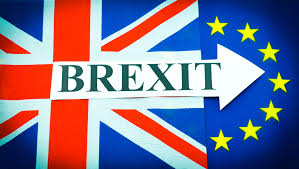


The UK joined the European Union in January 1973, and yesterday, the UK public voted to leave. After 43 years of marriage, the divorce proceedings will soon begin.

No one knows how long it will take for the UK to untangle itself from the EU and its laws, but many commentators think it will take many years – at least a decade. Crucially, no one yet knows how Brexit will affect the City of London – the UK’s financial center.

The EU’s single financial passport, or passporting, allows re/insurers and other financial services companies the ability to conduct business across EU member states, establishing branch offices through one regulator in the UK

What will happen to the single passport when the UK’s membership of the EU expires in two years? While Article 50 of the 2009 Lisbon Treaty sets out the process of withdrawal for an EU member state, it’s never been triggered.

The procedure is this: when the UK prime minister notifies the EU about Britain’s intention to withdraw, negotiations will begin on the arrangement for leaving and for the UK’s future dealings with the remaining 27 member states. The Lisbon Treaty allows for up to two years of negotiations. If no agreement can be reached in this time period, the other member states either have to unanimously agree to extend the negotiation period, or Britain will have to exit with no deal in place.

Prime Minister David Cameron today announced his resignation, making way for a Tory leadership election to be completed by October. Cameron said he will let the new prime minister invoke Article 50.

The question of continued access to the single EU passport is a matter to be resolved in these negotiations.

Lloyd’s, the International Underwriting Association, the Association of British Insurers, Standard & Poor’s, the legal firm Clyde & Co., Allianz, and other financial services and re/insurance groups have begun to weigh in with their comments about this historic vote.

A wrap-up of their comments follow, in no particular order:

Lloyd’s of London. “I am confident that Lloyd’s will stay at the center of the global specialist insurance and reinsurance sector, and I look forward to continuing our valuable relationship with our European partners,” Lloyd’s Chairman John Nelson said. “For the next two years our business is unchanged. Lloyd’s has a well prepared contingency plan in place and Lloyd’s will be fully equipped to operate in the new environment.”
International Underwriting Association. The London insurance market “is resilient and well-positioned to respond to the result of the referendum on the UK’s membership of the EU,” said a statement from the IUA, which noted that there will now be an extended period of negotiation to determine the exact terms upon which the UK exits the EU.
“Clearly the UK’s decision to exit the EU presents challenges for London market companies and uncertainty surrounding the potentially prolonged nature of this process will be problematic for future planning. Our industry is, however, experienced in responding to change,” said Dave Matcham, chief executive of the IUA.

“The free trade benefits of EU membership have been vital in maintaining London’s position as a global insurance hub and are highly valued by IUA members. This is true both for insurers headquartered in the UK and those international firms that use London as their center for European business,” he added.

“We know that many companies will now be considering their own individual responses. Continued access to European markets is essential and will, I expect, be at the forefront of the process to respond to the referendum decision. The IUA will be working with the London Market Group to ensure our industry’s views are fully represented as developments continue,” Matcham went on to say.

“Outside the EU it will still be desirable for UK supervisors to have reciprocal arrangements in place with other national regulators. Otherwise we will see a duplication of compliance costs that will damage companies and escalate costs for clients.”

 Standard & Poor’s. S&P Global Ratings said the leave vote is not expected to lead to rating actions on U.K. insurers. “We see the insurance sector as less exposed to the leave vote than the rest of the financial sector.”
 The insurance sector represents about one-third of the U.K.’s financial services net export surplus, but it is more reliant on trade with non-EU countries – especially the U.S., said S&P, noting that the sector is also a “very limited recipient of inward investment.”

“Even in the absence of any trade agreements or passporting rights, we believe that U.K. insurers operating in the EU could, through appropriate planning, continue their businesses largely uninterrupted. The same would apply for EU insurers who currently trade in the U.K. through branches,” said S&P.

The ratings agency acknowledged that there will be a period of uncertainty while treaties or other arrangements are negotiated between the U.K. and the EU, which could weigh on insurers’ investment returns and possibly on the rate of future economic growth. “However, we do not now believe that these potential issues are likely to lead to immediate rating actions on insurers.”

Association of British Insurers. “The UK insurance and long-term savings industry is strong and built to protect customers from market uncertainty and shocks,” said Huw Evans, director general of the ABI.
“Customers should remember we remain part of the EU until the process of leaving is complete and they should therefore avoid hasty decisions about their financial matters. For the UK government, it will be important now to focus on ensuring the UK remains a globally competitive place to do business with the best possible future trading network with the EU and the wider world,” he added.

British Insurance Brokers Association. BIBA said it will work with government and other authorities to ensure the best interests of insurance brokers and their customers are fully represented during the exit negotiations. “This is an unprecedented situation for the UK and BIBA is conscious that this will create a considerable amount of work and concern amongst members and their customers,” BIBA noted in its statement.
City of London Corp. “The City of London has thrived as a financial and trading centre for more than a thousand years and will continue to do so,” said Mark Boleat, policy chairman of the City of London Corp. “There will be no mass exit of banks and financial institutions from the Square Mile.” Boleat admitted there will be uncertainty as Brexit negotiations go on, but the City of London is “still the financial centre of the fifth-largest economy in the world.”
The task ahead is to “secure the best deal we can in the negotiations that will follow this vote,” he said. “The general view of the city is that the government should push for the UK to retain our access to the single market. Any other option will fail to provide proper arrangements for financial services and risks damaging this vital industry.”

Association of Insurance and Risk Managers in Industry and Commerce (Airmic). The Confederation of British Industry (CBI) revealed prior to the referendum that only 50 percent of FTSE companies had made contingency plans for an exit vote with levels of preparedness varying significantly across the sectors, said Airmic, the UK’s risk management association, in a statement issued today in response to the Brexit vote.
“As with any risk that might affect the whole organization, Brexit is an enterprise risk and the potential impact should be broken down by considering different areas of the business and the relevant risks including people, sales, regulation, law, finance, information, technology and insurance,” said Julia Graham, deputy CEO of Airmic. These principles of a resilient organization are outlined in the Airmic’s “Roads to Resilience” report.

Clyde & Co. Andrew Holderness, global head of Corporate Insurance Group at Clyde & Co., the London-based, global legal firm, offered some suggestions about what re/insurance businesses can expect after Brexit and their next potential steps.
Insurers, reinsurers and intermediaries “need to review the scale of their operations from continental Europe into the UK, or vice versa, and determine what impact losing it might have on their overall balance sheet. If it’s critical, or if they want to continue writing it, they have a number of options: acquiring another business to provide the right platform, establishing a branch or subsidiary – or finding another business to front for them,” he said, noting that if operations are marginal, the sale of the renewal rights or a portfolio transfer should be considered.

“Without passporting, the level of regulation will undoubtedly rise. It is also very likely that the overall demands on the regulators themselves will increase significantly. This will then have knock-on effect and could impact their speed of response to a range of issues such as requests for approvals and rule waivers or modifications,” Holderness said.

The status of employees also must be considered – whether they are utilizing the free movement of citizens regime permitted under EU law. Holderness suggested that companies conduct an audit to identify which members of staff are affected and whether than can remain in their posts following the vote.

“Alongside the greater administrative burden, there may well be increased employment costs. It is important to align this work very closely with decisions on possible structures, so that any changes to the organization designed to secure ongoing access to markets take into account how that might affect the location of senior management and other staff,” he continued.

Allianz. “Today is not a good day for Europe,” said Allianz in a commentary titled “Britain Votes to Leave: A Leap in the Dark.” Allianz went on to say that repercussions from the Brexit vote will be felt for years to come in the U.K. and across Europe because Brexit is a process, not an event, and will sap the EU’s political energy for many years.
“In the short run, we expect severe financial market turmoil, compounded by political instability in the U.K. Heightened uncertainty will reduce U.K. GDP growth by 1-2 percentage points per year while London and Brussels seek to come to an agreement about a new bilateral relationship. Unilateral decisions by the UK, e.g. to restrict EU migration, would prompt retaliation and would make negotiations even more difficult.”

By acting in a collaborative manner, “British and European policymakers can do much to reduce any disruptions to trade and capital flows,” said Michael Heise, Allianz chief economist. “Even if the European project from now on will move forward without Britain, the UK is bound to remain a key ally of the European Union warranting close political, economic and financial ties.”

Insurance Europe. “We are deeply saddened to hear that the people of the United Kingdom have voted to leave the European Union. We now hope that policymakers can work quickly to limit the impact that this time of uncertainty will have on both consumers and businesses,” said Sergio Balbinot, president of Insurance Europe, the Brussels-based European re/insurance federation.

Fuente: Reproduccion de Insurance Journal Newslatter 

EL RESULTADO 2025: HAY CIFRAS QUE INFORMAN...Y CIFRAS QUE DELATAN

  El mercado asegurador ecuatoriano: entre la concentración y la ilusión del crecimiento El market share del mercado asegurador ecuatorian...